

I’m a productivity junky, and what’s true is you need space (time, energy, focus) to take on the big rocks, lest all of life’s distractions consume every minute of your workday.
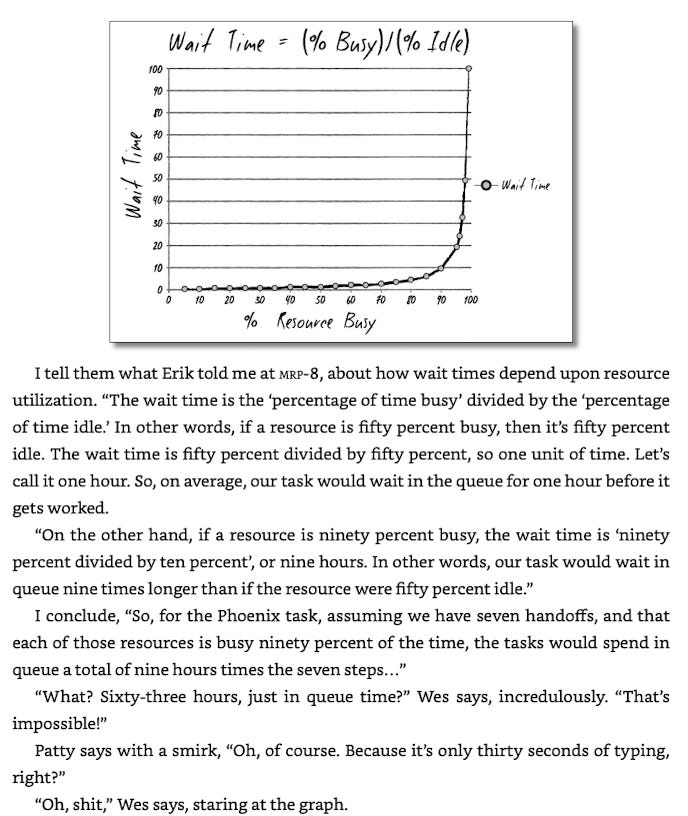
A clear example of this is the utilization vs touch time curve. If your day is scheduled to the minute, a simple 5-minute phone call may take you days or weeks to get to. But if you always have a slack 30-60 minutes in your day, you can get to it in a few hours (if not immediately).
This was beautifully illustrated in this passage of The Phoenix Project.
So my hunch was, the same mechanism would apply to a game I used to play…
What’s Incorrect
Do you remember slider puzzles? If you were a child of the 80s and 90s, you probably saw one.
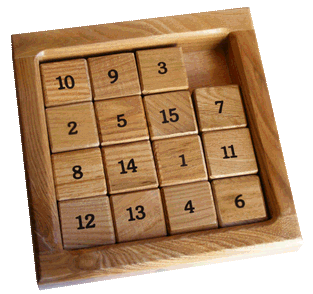
Anyway! As a kid, these things were frustrating. You had one free space and had to work really hard to get things sorted in the right way. If you don’t know what you’re doing, it can take you hundreds of moves (similar to a newb trying to solve a Rubik’s cube).
My line of thinking went, what if I had two or three spaces open? I bet it could halve the time because you have more degrees of freedom.
10 years ago, I didn’t have the patience or access to someone that could test this. It just felt true.
Enter AI
AI makes it stupid simple to turn ideas into code into demos. So I was like “Hey, I should make a simple web page to show this to drive the point home.”
Problem. The app worked beautifully, but not in the way I had hoped.
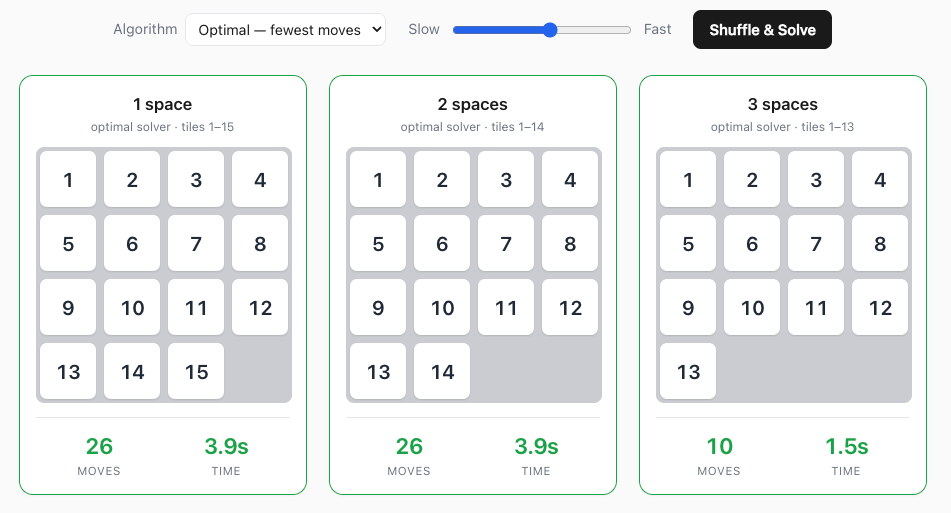
I expected it to always be much faster when going from 1 to 2 open spaces, but that wasn’t always true. Depending on the starting position, it could be even or even slower! Check out this screenshot.
Luckily, all hope was not lost. When AI ran 1,200 simulations, I was able to confirm that I was directionally right, even if the jump wasn’t as dramatic as I had hoped.

When you’re an expert and use the fastest path to a solution, the extra space does save some time (up to 2x), but it’s not a 3-5x gain that I expected. Check out the following animated gif of a typical run.
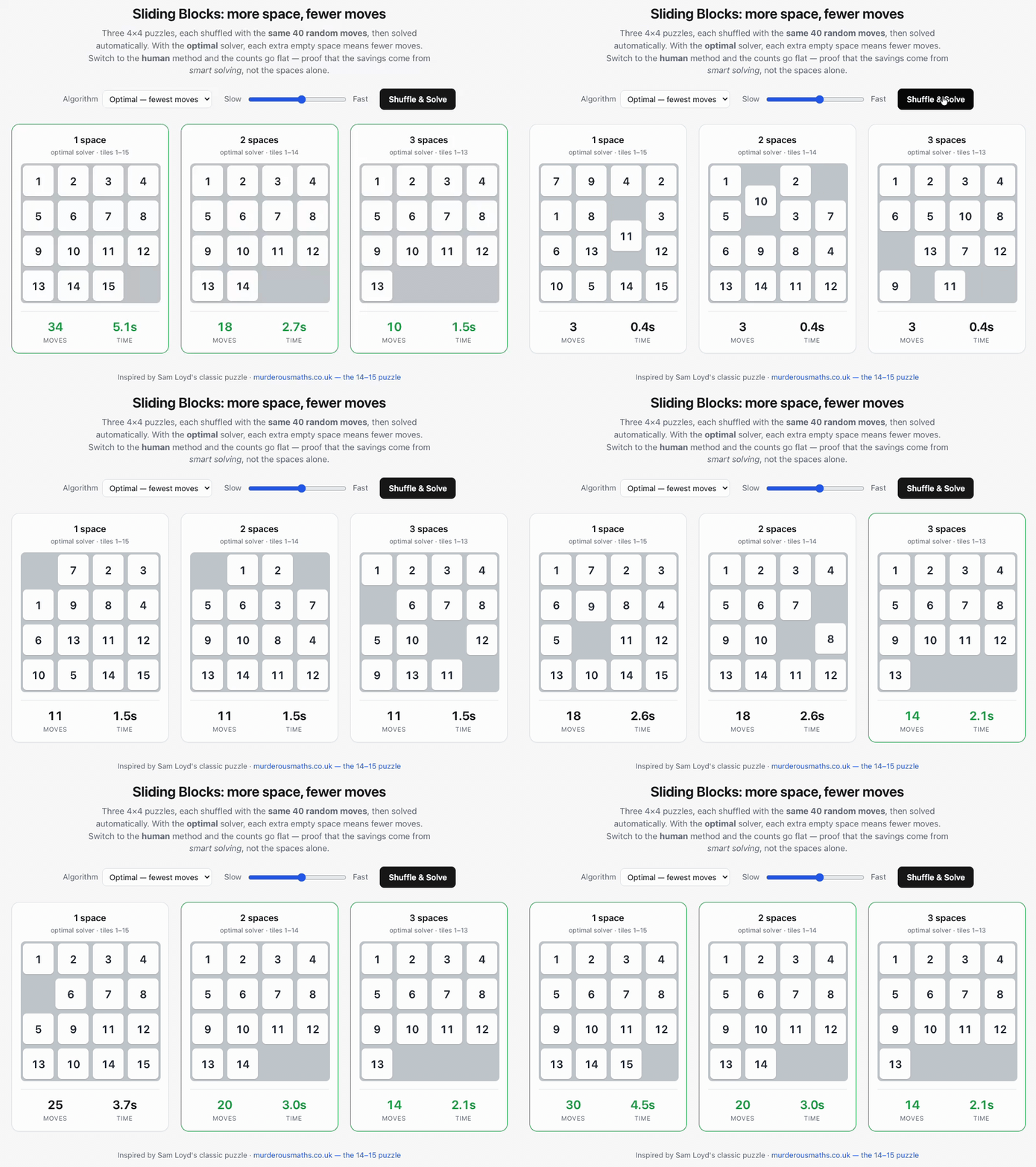
You can run this yourself by visiting the test page here.
A Humbling Experience
Now that the costs of running a simulation are so low, it’s easier to validate AND invalidate claims and beliefs. This is awesome if your ego can take the hit.